




Health Tips & Wellness Blog – Prinz Klinik
What Is PCOS /PMOS ? Symptoms, Causes, Diagnosis & Treatment
What Is PCOS /PMOS ? Symptoms, Causes, Diagnosis & Treatment
“My period is irregular, I'm gaining weight, and I'm struggling with acne. Could it be PCOS?”
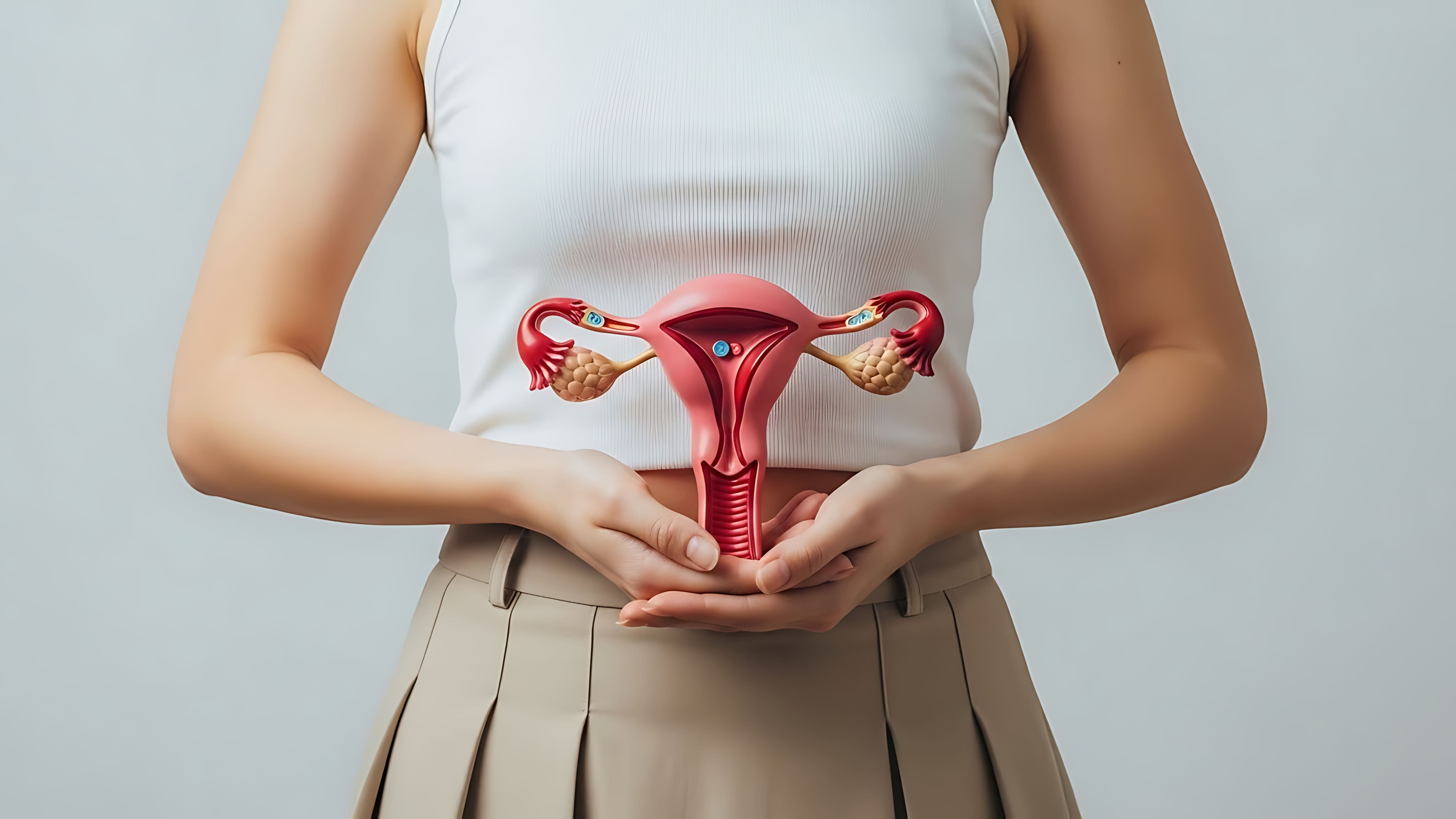
Polycystic ovary syndrome, commonly known as PCOS, is a common hormonal and metabolic condition that can affect women during their reproductive years.
Despite its name, having PCOS does not necessarily mean that you have ovarian cysts and seeing multiple small follicles on an ultrasound does not automatically mean that someone has PCOS.
PCOS is diagnosed based on a combination of symptoms, medical history, examination, blood tests, and sometimes ultrasound findings.
PCOS can affect different aspects of health, including:
- Menstrual cycles
- Ovulation
- Hormone levels
- Skin and hair
- Metabolism
- Fertility
Some women experience several symptoms, while others may have only one or two.
Because the symptoms can vary considerably, PCOS may sometimes go unrecognised for years.
Women with PCOS may have higher-than-usual levels or activity of androgen hormones, irregular or absent ovulation, and other metabolic features such as insulin resistance.
What Are the Common Symptoms of PCOS?
PCOS symptoms can differ from one woman to another.
Common signs include:
Irregular Periods
Periods may:
- Come infrequently
- Be unpredictable
- Be absent for several months
- Become unusually heavy after a long gap
Irregular periods can happen when ovulation does not occur regularly.
Acne and Oily Skin
Hormonal changes associated with PCOS may contribute to:
- Persistent acne
- Oily skin
- Adult acne that is difficult to control
Acne alone does not mean that you have PCOS, but it may be considered alongside other symptoms.
Excess Facial or Body Hair
Some women with PCOS develop increased hair growth on areas such as:
- Face
- Chin
- Chest
- Abdomen
This is known as hirsutism and may be related to higher androgen activity.
Hair Thinning
Some women may experience thinning hair, particularly around the scalp.
This can resemble male-pattern hair loss.
Difficulty Becoming Pregnant
PCOS is one of the common causes of ovulation problems.
Irregular ovulation can make it more difficult for some women to become pregnant.
However: Having PCOS does not mean that you cannot have children.
Many women with PCOS are able to become pregnant with appropriate management and, when needed, fertility treatment.
Weight Gain or Difficulty Losing Weight
Some women with PCOS experience:
- Weight gain
- Difficulty losing weight
- Increased abdominal fat
However, PCOS can occur in women of all body sizes. Being slim does not rule out PCOS.
What Causes PCOS?
The exact cause of PCOS is not fully understood.
Several factors may play a role, including:
- Genetics
- Hormonal imbalance
- Insulin resistance
- Metabolic factors
Family history may also be relevant.
If a close family member has PCOS or certain metabolic conditions, your doctor may consider this information when assessing your health.
What Is the Link Between PCOS and Insulin Resistance?
Insulin is a hormone that helps the body control blood glucose levels.
Some women with PCOS have insulin resistance, meaning the body's cells do not respond to insulin as effectively as they should.
The body may compensate by producing more insulin.
Higher insulin levels can contribute to increased androgen activity in some women, which may affect ovulation and contribute to symptoms such as:
- Irregular periods
- Acne
- Excess hair growth
Insulin resistance can also increase the risk of metabolic problems, including type 2 diabetes.
However, not every woman with PCOS has insulin resistance.
Can PCOS Affect Fertility?
Yes, PCOS can affect fertility in some women because irregular ovulation can make conception more difficult.
However, a PCOS diagnosis does not mean that pregnancy is impossible.
Depending on the individual's situation, doctors may recommend:
- Lifestyle changes
- Ovulation management
- Medication
- Fertility treatment
If you are trying to conceive and have irregular periods, speaking with a healthcare professional can help identify possible causes and appropriate treatment options.
Does PCOS Cause Ovarian Cysts?
Not necessarily.
Despite the name, ovarian cysts are not required for a diagnosis of PCOS.
Some women with PCOS may have ovaries containing many small follicles visible on ultrasound.
These are not necessarily the same as ovarian cysts.
This is one of the most common misconceptions about PCOS.
How Is PCOS Diagnosed?
There is no single blood test that can confirm PCOS in every woman.
Doctors typically consider a combination of:
- Medical history
- Menstrual pattern
- Symptoms
- Physical examination
- Hormone blood tests
- Metabolic tests
- Pelvic ultrasound when appropriate
Other conditions that can cause similar symptoms may also need to be excluded.
This is why it is not advisable to diagnose PCOS based on an ultrasound image or one abnormal hormone result alone.
How Is PCOS Treated?
There is currently no single cure for PCOS, but symptoms and associated health risks can often be managed effectively.
Treatment depends on your symptoms, health goals, age, and whether you are planning pregnancy.
Possible approaches include:
Lifestyle Management
Healthy lifestyle habits can support:
- Weight management
- Blood sugar control
- Cardiovascular health
- Hormonal health
This may include regular physical activity, balanced nutrition, adequate sleep, and stress management.
Medication
Depending on the individual's symptoms and goals, doctors may prescribe medication to help manage:
- Irregular periods
- Acne
- Excess hair growth
- Insulin resistance
- Ovulation problems
Fertility Treatment
For women who are trying to conceive, treatment may focus on improving ovulation.
The appropriate approach depends on individual circumstances.
Can PCOS Go Away?
PCOS is generally considered a long-term condition.
However, symptoms can change over time and can often be managed.
Some women may notice improvements in menstrual cycles, weight, metabolic health, or other symptoms after making lifestyle changes or receiving appropriate treatment.
Regular monitoring can help manage potential long-term health risks.
What Happens If PCOS Is Left Untreated?
PCOS itself is not necessarily dangerous, but some women with PCOS may have increased risks of certain health problems.
Depending on individual risk factors, these may include:
- Type 2 diabetes
- High cholesterol
- High blood pressure
- Cardiovascular risk factors
- Abnormal uterine bleeding
- Problems with fertility
- Endometrial abnormalities
This does not mean that every woman with PCOS will develop these conditions.
Regular medical follow-up can help identify and manage risk factors.
When Should You See a Doctor?
Consider speaking with a healthcare professional if you experience:
✔ Periods that are consistently irregular
✔ No period for several months
✔ Excess facial or body hair
✔ Persistent adult acne
✔ Unexplained hair thinning
✔ Difficulty becoming pregnant
✔ Unexpected weight changes
✔ Symptoms suggesting hormonal imbalance
Early assessment can help determine whether PCOS or another condition may be contributing to your symptoms.
Take Your Hormonal Health Seriously
PCOS is more than just having irregular periods or ovarian cysts.
It can affect hormones, menstruation, metabolism, skin, hair, and fertility, and symptoms can vary significantly between women.
If you notice persistent changes in your menstrual cycle, unexplained hormonal symptoms, or difficulty becoming pregnant, don't simply assume that it is “normal.”
A proper medical assessment can help identify the possible cause and determine whether further investigation or treatment is appropriate.
At Prinz Klinik, our doctors provide women's health and gynecological consultations to help women understand menstrual irregularities, hormonal concerns, fertility-related issues, and other reproductive health conditions.
Your symptoms are trying to tell you something. Don't ignore them.




